


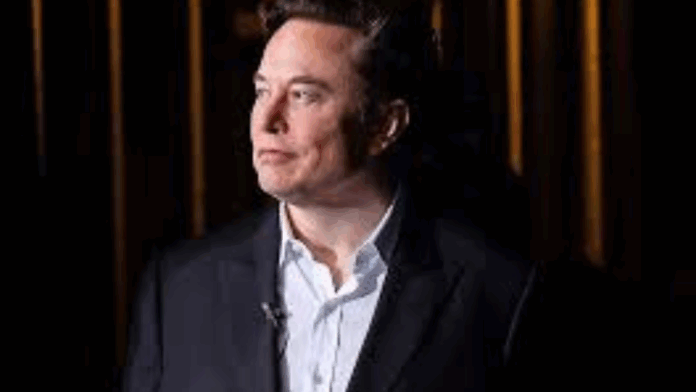

Tech billionaire escalates attack on Trump spending policies amid unprecedented debt surge
Tesla and SpaceX CEO Elon Musk has intensified his criticism of current U.S. fiscal policy, warning that “America is in the fast lane to debt slavery” as the nation grapples with a spiraling debt crisis that has reached alarming proportions.
America is in the fast lane to debt slavery https://t.co/eht8gaIMxY
— Elon Musk (@elonmusk) June 4, 2025
The Staggering Numbers
The stark reality of America’s fiscal situation has become impossible to ignore. The United States has accumulated over $12 trillion in new debt since 2020—a figure that matches what the nation took 221 years to accumulate from its founding through 2020. The national debt has now soared past $36 trillion, representing 122% of the country’s GDP and triggering widespread alarm across financial markets, corporate boardrooms, and Capitol Hill.
Perhaps most concerning is the debt servicing burden. Interest payments alone now consume nearly 25% of federal revenue, with projections suggesting this figure could rise to one-third within a decade if current trends continue unchecked.
Musk’s Viral Warning
Musk delivered his stark warning via X (formerly Twitter), accompanying his message with a viral chart that illustrates how dramatically the fiscal landscape has shifted. The visualization shows how America’s debt curve remained relatively modest throughout most of U.S. history before turning sharply vertical after 2020—driven by pandemic-era stimulus packages, increased defense spending, and various unfunded policy commitments.
The tech entrepreneur, who recently departed his role as head of the Department of Government Efficiency (DOGE) after 130 days in the Trump administration, has become increasingly vocal in his opposition to current spending policies.
The “One Big Beautiful Bill” Controversy
Central to Musk’s criticism is the Trump-backed “One Big Beautiful Bill Act,” which seeks to raise the debt ceiling by an unprecedented $5 trillion. Critics argue this legislation could push the country deeper into unsustainable fiscal territory, further inflating the deficit and driving up borrowing costs at a time when the nation can least afford it.
Musk has urged Americans to pressure their representatives, posting on X: “Call your Senator, Call your Congressman, Bankrupting America is NOT ok! KILL the BILL.” He has characterized the legislation as containing “the largest increase in the debt ceiling in US history” and labeled it the “Debt Slavery Bill.”
Wall Street Sounds the Alarm
Musk’s concerns are echoed by some of Wall Street’s most prominent figures. JPMorgan CEO Jamie Dimon has publicly urged government action to curb spending, while hedge fund titan Ray Dalio has warned of a looming “debt crisis” if confidence in U.S. fiscal discipline continues to erode.
The Council on Foreign Relations has painted an even grimmer picture, predicting that without structural reforms, the national debt could double again within 30 years. Such a scenario would severely limit the government’s ability to invest in critical areas including defense, infrastructure, and social programs.
Credit Rating Concerns
The fiscal situation has already prompted credit rating agency Moody’s to downgrade its outlook on U.S. sovereign credit, citing persistent deficits and ongoing political gridlock. This development represents a significant warning sign for international investors and could potentially increase borrowing costs for the federal government.
The “Debt Slavery” Concept
While “debt slavery” is not a formal economic term, it has gained traction as shorthand for a dystopian future where interest payments dominate the federal budget, crowding out spending on essential government functions and services. The concept describes a scenario where a nation becomes so burdened by debt service that it loses fiscal flexibility and sovereignty over its own economic decisions.
Also Read: Elon Musk Says New XChat Is Coming With ‘Bitcoin Style’ Encryption
Economic Implications
Economists warn that the primary threat is not an immediate financial crash but rather a gradual erosion of economic vitality. This slow-motion crisis could manifest in reduced job growth, depressed wages, and an intergenerational burden where future Americans are forced to pay for today’s fiscal excesses.
The current trajectory suggests that without significant policy changes, an increasing share of government resources will be diverted to debt service rather than productive investments in education, research, infrastructure, and other drivers of long-term economic growth.
Stay ahead with real-time crypto live news updates on Bitcoin, Ethereum, altcoins, market trends, and blockchain innovations.
Political Ramifications
Musk’s dramatic intervention comes at a critical juncture for Trump’s spending legislation. The House of Representatives approved the measure by the narrowest of margins last month, with only three Republican members dissenting against solid Democratic opposition.
The tech entrepreneur’s threat to “fire all the politicians who betrayed the American people” in upcoming midterm contests has reverberated throughout Republican circles. Given Musk’s investment of hundreds of millions in electoral campaigns, his opposition could spell disaster for sitting members facing primary challenges and potentially imperil Republican aspirations to maintain Congressional control.
Administration Response
The White House has responded to Musk’s criticism with notable restraint. Press Secretary Karoline Leavitt indicated that Trump is “already aware” of Musk’s position, declaring: “This is one big, beautiful bill, and he’s sticking to it.”
Trump has established a Fourth of July deadline for the legislation’s completion, which incorporates a $4 trillion expansion of U.S. borrowing capacity. Treasury Department advisors warn that failure to implement this increase by August could precipitate America’s first-ever sovereign debt default.
Looking Ahead
As the debate intensifies, the fundamental question facing policymakers is whether the United States can maintain its current fiscal trajectory without triggering a broader economic crisis. The unprecedented nature of the debt accumulation, combined with rising interest rates and growing political polarization, creates a perfect storm of fiscal challenges.
Musk’s “debt slavery” warning, while provocative, reflects growing concerns among economists and financial experts about America’s long-term fiscal sustainability. Whether his intervention will influence Congressional deliberations remains to be seen, but it has undoubtedly added a new dimension to an already contentious debate about the nation’s financial future.
The coming months will be crucial in determining whether the United States can chart a more sustainable fiscal course or whether it will continue down a path that even one of the world’s most successful entrepreneurs characterizes as leading to financial bondage.
CryptoNewsToday is a leading platform providing the latest updates, trends, and analysis in the cryptocurrency world. Stay informed with timely news on Bitcoin, altcoins, blockchain technology, and more.